
Peptides in Ireland: BPC-157, Reta, TB-500, GHK-Cu
Entry point for the Irish research community: what BPC-157 and Retatrutide (reta) are, where they sit under the HPRA framework, how to read a batch certificate, and why EU fulfilment reaches Ireland without customs at the border.
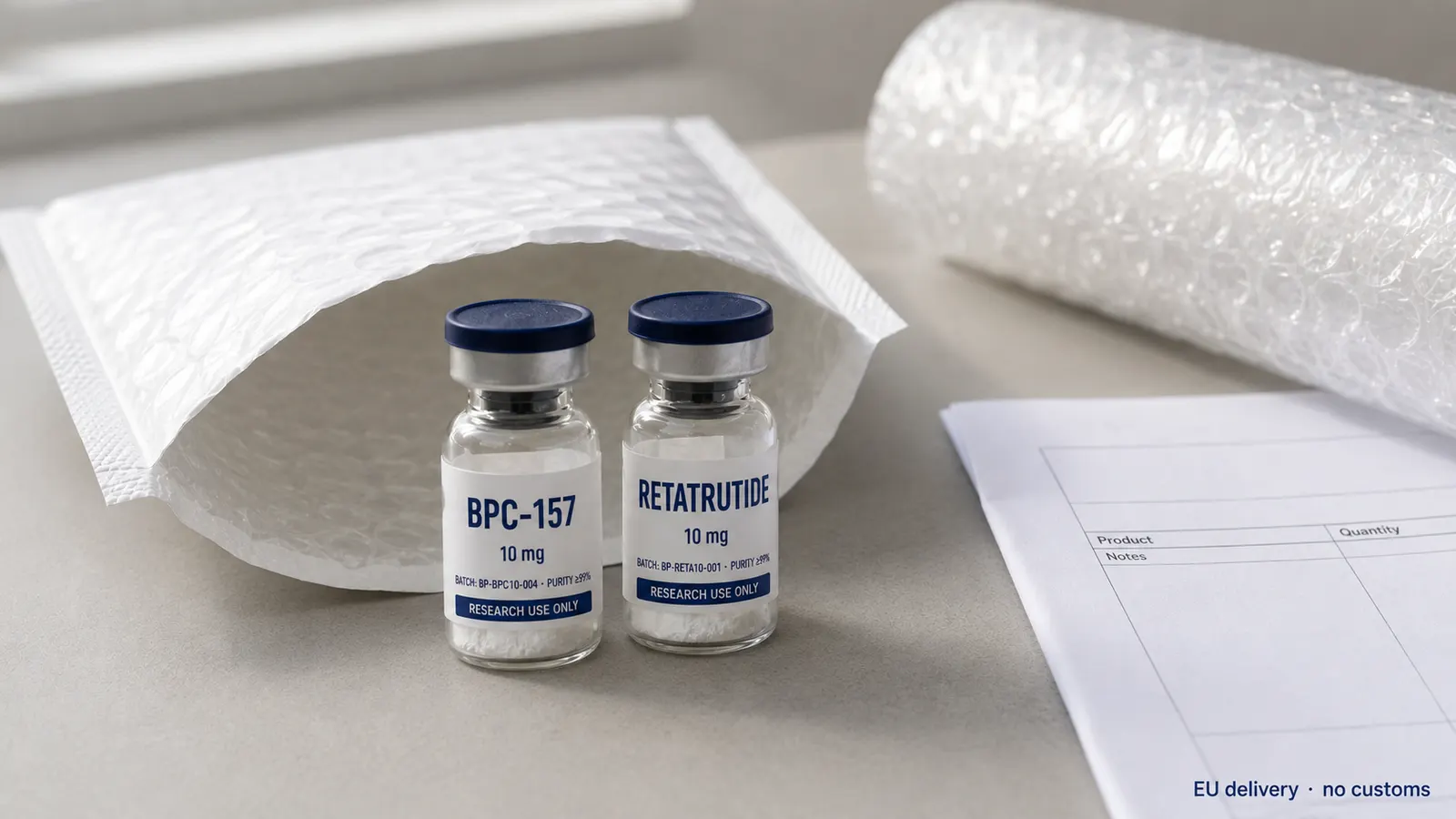
Featured Products
If you already know what you are looking for, these are the products most often reviewed alongside the guides.
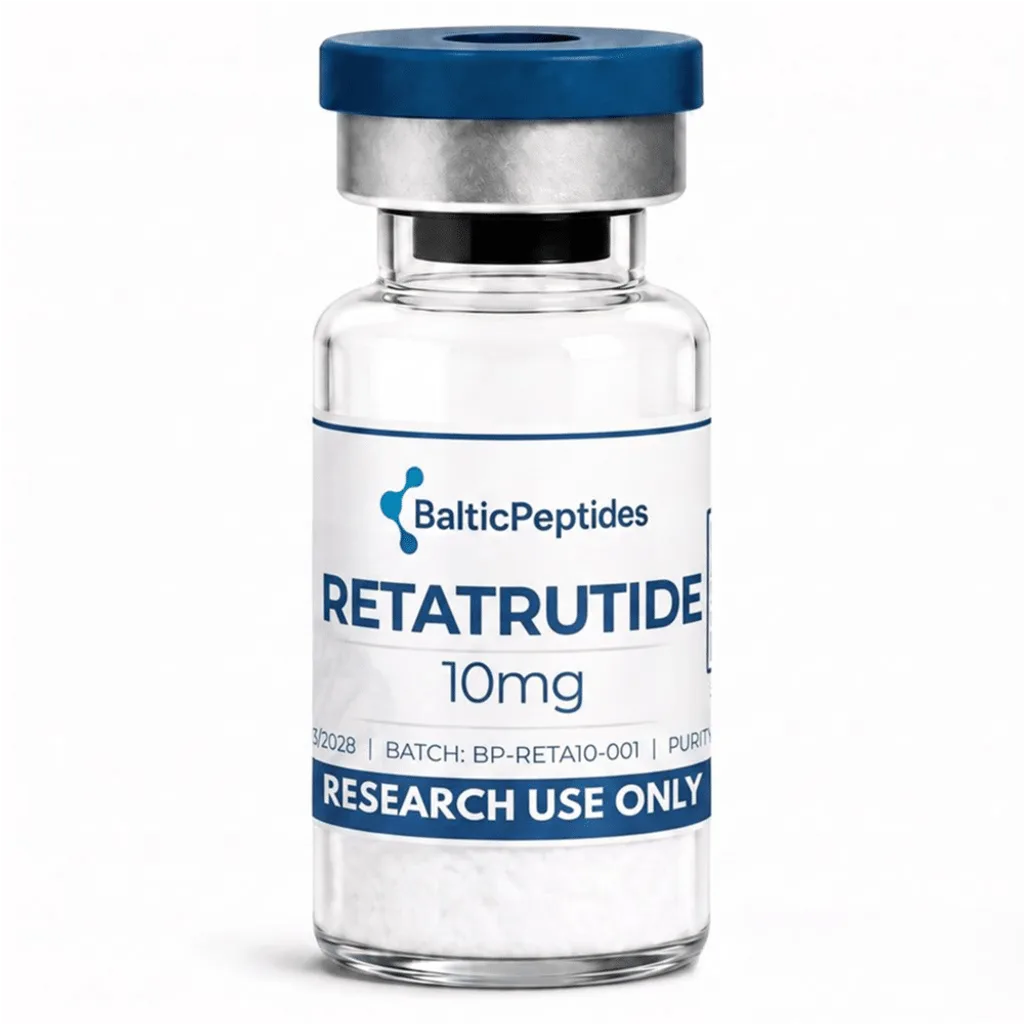
Retatrutide
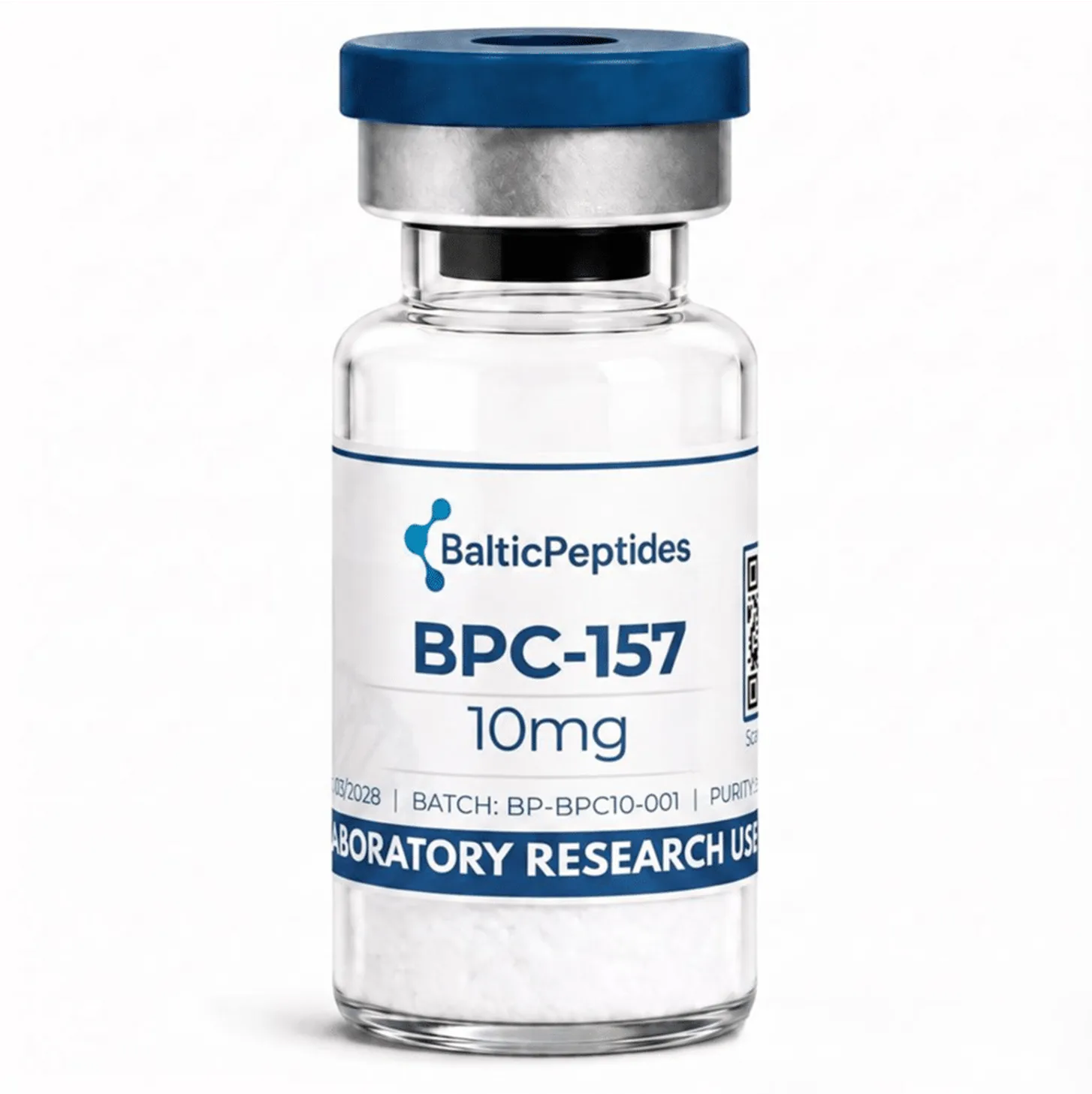
BPC-157
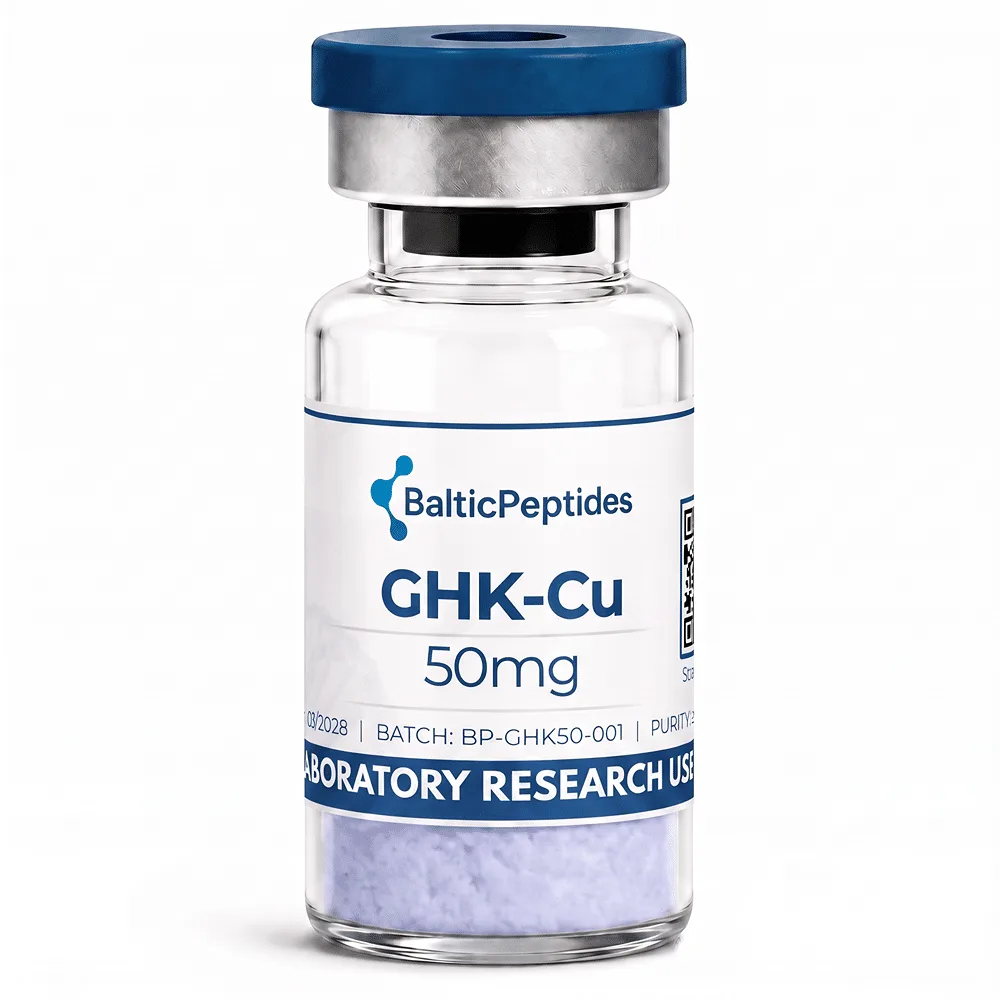
GHK-Cu
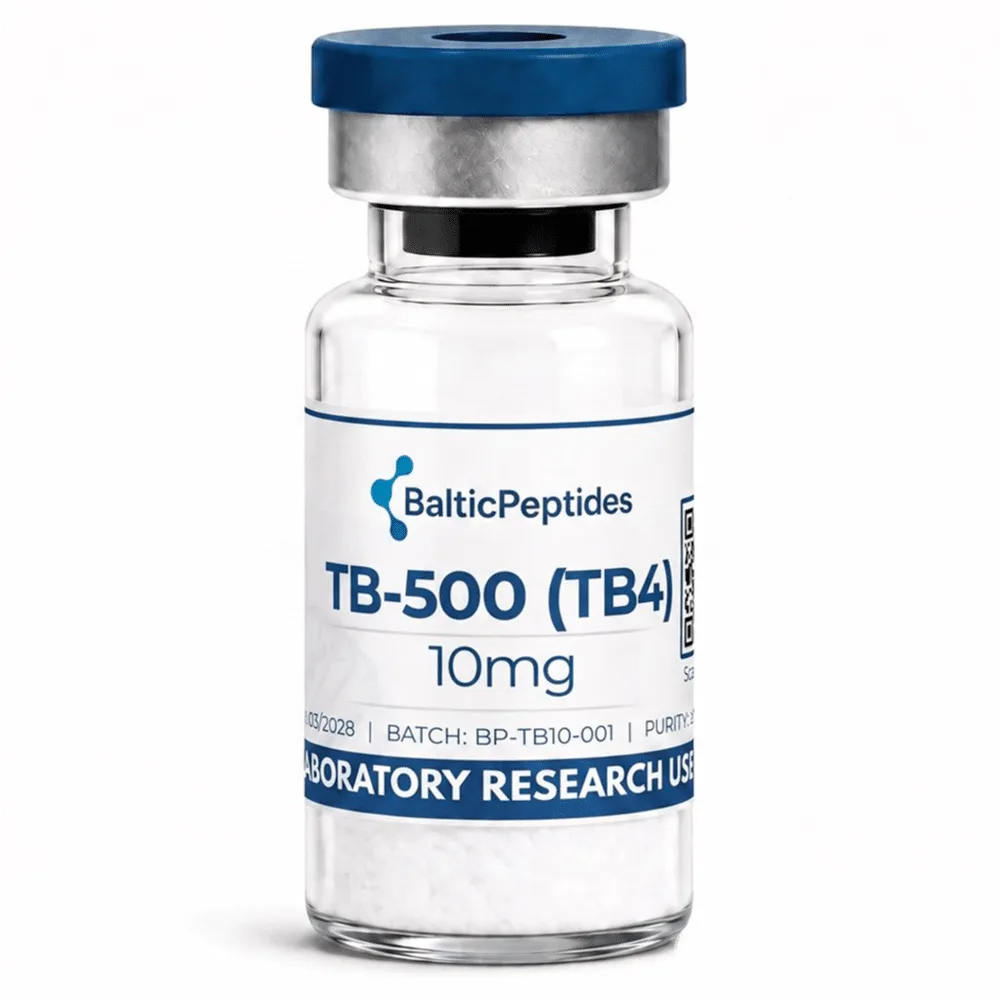
TB-500
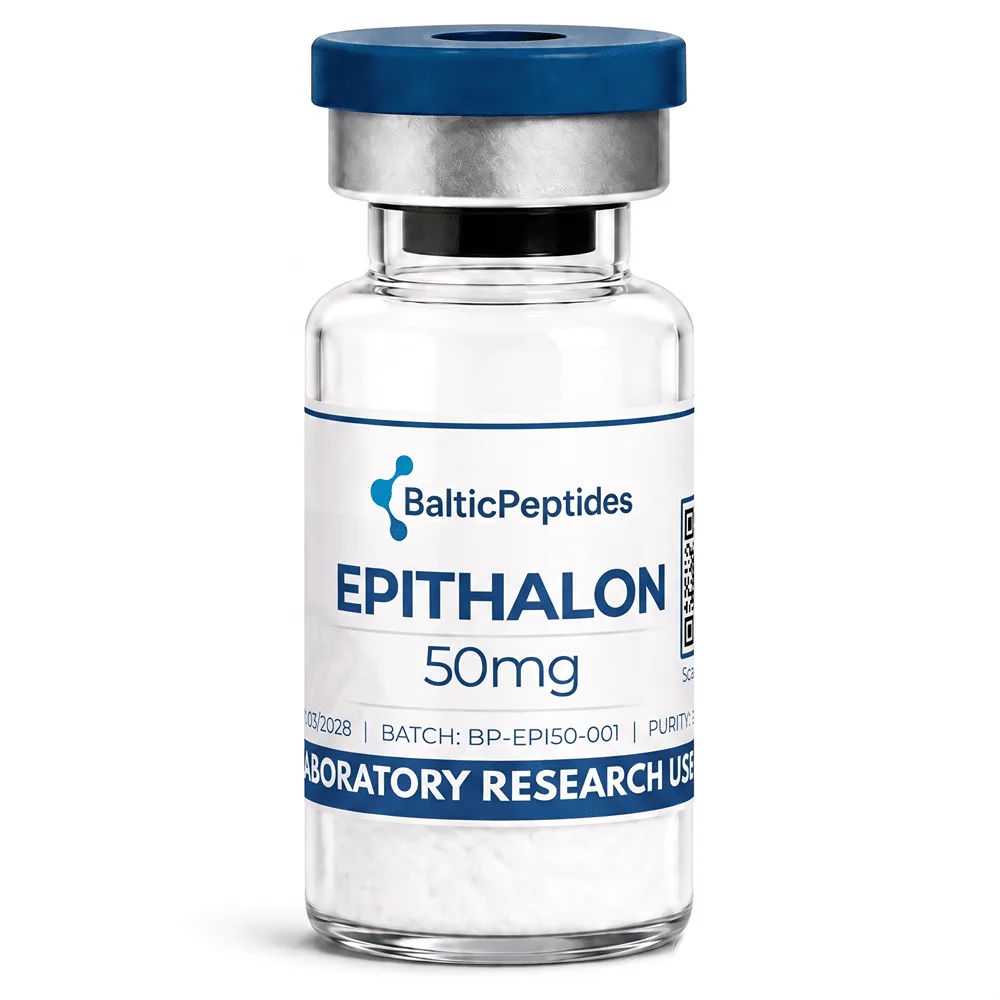
Epitalon
Main pages
Basics, legal context, and the global research and lab-documentation pages that apply to Irish readers.
HPRA and peptide imports in Ireland
What the HPRA actually enforces, the detention figures behind the headlines, what happens if a shipment is queried, and the narrow personal-import route.
Peptides Ireland: the basics
Plain-English introduction to research peptides, the difference from proteins, and the names you keep seeing.
BPC-157 in Ireland
The compound Irish researchers ask about most: how it is supplied, why in vials rather than capsules, and what its batch certificate shows.
Retatrutide (reta) in Ireland
Price per milligram across vial sizes, why it holds no marketing authorisation, and how EU delivery reaches Ireland.
Buying research peptides in Ireland
How EU fulfilment avoids customs at the border, and the four checks worth making on any supplier before ordering.
Legal information
Which regulator applies, where each compound stands, and the documents that accompany an intra-EU shipment.
Research articles
Mechanism, study and protocol explainers for the most-discussed peptides across the EU.
Lab reports & COAs
Per-batch Certificates of Analysis with HPLC purity, identity confirmation and date of testing.
Browse the catalogue
Full EU research-peptide catalogue. BPC-157, TB-500, GHK-Cu, Epitalon, Semax and more.
Research peptides in the Irish context
The Irish research community works with peptides inside a well-defined frame: the HPRA's pharmaceutical regulation, Revenue Commissioners' customs treatment, and membership of the EU customs union and single market. What follows is the practical side of that: where each compound stands, what a batch certificate has to show, and how the price per milligram actually compares.
Irish regulatory framework
The competent authority for medicines in Ireland is the Health Products Regulatory Authority (HPRA), under the Department of Health. The HPRA enforces the Irish Medicines Board Acts and the Medicinal Products (Control of Placing on the Market) Regulations (S.I. 540 of 2007), which transpose Directive 2001/83/EC and subsequent EU medicines law. Authorised pharmaceutical peptides - Ozempic, Wegovy, Rybelsus, Mounjaro and analogues - circulate only through the regulated pharmacy channel as Prescription-Only Medicines (POM). Research peptides labelled for research use only and not destined for human consumption are laboratory reagents and sit outside the medicinal-products framework.
EU single-market advantage for Irish researchers
Ireland is part of the EU customs union and uses the euro. Orders shipped from another Member State move inside the single market: no customs declaration, no import VAT, no duties. For an academic group or a private lab this means a typical 2-5 working-day delivery without the paperwork associated with a non-EU import. The page legal information covers the research-only framing in more detail, including the special status of GLP-1 family compounds.
Compounds worth knowing
Pre-clinical literature groups research peptides into a few biological areas. Tissue regeneration is the most-studied and centres on BPC-157 and TB-500 (Thymosin Beta-4) - mechanistically complementary and frequently paired in animal models. Skin and connective-tissue research clusters around the copper tripeptide GHK-Cu. Longevity and mitochondrial work draws on Epitalon (a four-residue telomerase modulator in pre-clinical studies). Other areas - cognitive (Semax, Selank), growth hormone investigative axis (Ipamorelin, CJC-1295), metabolic GLP-1 / GIP investigative analogues - sit alongside the four anchors above. For factual mechanism explainers see the research index.
Quality criteria for reproducible work
Irish labs apply the same minimum criteria that international publications require: HPLC purity of at least 99 % verified by high-performance liquid chromatography, identity confirmed by mass spectrometry, a per-batch Certificate of Analysis (COA) with method and date, and traceable manufacturer of record. EU origin simplifies both the regulatory frame and the logistics. The lab reports section publishes per-batch COAs for direct inspection.
Customs and VAT for non-EU shipments
For parcels arriving from third countries (post-Brexit UK, Switzerland, United States, China), the standard Revenue clearance applies via An Post / DHL / GLS as agents: Irish VAT at 23 % on the full value (goods + shipping + insurance + duty), any duties under the Combined Nomenclature, and the carrier's handling fee. Since 1 July 2026 the EU-wide low-value VAT exemption under €150 has ended, in line with the EU fiscal reform. In practical terms, buying from a supplier inside the EU avoids all of this and keeps delivery to 2-5 working days.
Are peptides legal in Ireland?
It depends on the compound and on how it is sold, and those are two separate tests. A product is a medicine when it can restore, correct or modify physiological functions, and it is also a medicine when it is presented as having curative or preventive properties. The second test looks at the selling, not the molecule: a laboratory reagent offered with human dosing, weight-loss promises or cycle protocols becomes a medicine by presentation alone, whatever the label says.
On that basis the cases sort themselves. Enforcement is real and rising: HPRA detentions of items claiming to be GLP-1 medicines went from 1,582 in 2024 to 48,752 in 2025, and roughly 14,000 individual parcels were detained, up 180 percent. Compound by compound:
- Is BPC-157 legal in Ireland? BPC-157 holds no marketing authorisation in Ireland, in the EU or anywhere else, and it is not a controlled substance. It is not a medicine, and it is handled as a laboratory reagent when sold without medical claims.
- Is TB-500 legal in Ireland? TB-500 has no marketing authorisation either, and it is not a controlled substance. Worth knowing separately: two different products are sold under that one name, the seven-residue fragment LKKTETQ and full thymosin beta-4 at 43 amino acids. Their legal position is identical; only the molecular mass on the certificate tells them apart.
- Is GHK-Cu legal in Ireland? GHK-Cu is not an authorised medicine and not a controlled substance. It is the one compound here that also exists legally in a second category, as a cosmetic ingredient, which is regulated separately. A lyophilised laboratory vial is not a cosmetic product.
- Is retatrutide legal in Ireland? Retatrutide holds no marketing authorisation in any country and is not a controlled substance. It does not exist in the pharmacy channel, so no prescription can be written for it. That authorised GLP-1 medicines exist in the same drug class gives retatrutide no status of its own.
- Semaglutide and tirzepatide are the exception. Both are authorised, prescription-only medicines dispensed through pharmacy, which is where the HPRA detention figures above come from.
The common thread across the first four matters more than it sounds. With no authorisation, no public body has verified quality, content or identity. For a medicine the authorisation does that work; here nothing stands in its place except the batch certificate, which is why who issued it and whether the lot number matches the vial are the questions that count. The full picture, with the narrow personal-import route, is on HPRA enforcement and peptide imports, and the general framing on legal information.
GHK-Cu, and why Irish searches ask about it separately
GHK-Cu comes up in Irish searches more often than its size in the catalogue would suggest, and it is worth separating from the rest. It is a defined complex between the tripeptide glycyl-histidyl-lysine and a copper ion; the copper is part of the structure rather than an additive. It appears in two contexts that follow different rules: as a cosmetic ingredient in topical formulations, and as a lyophilised reagent for laboratory use. It is not an authorised medicine in either.
The same distinction between substance and presentation applies here too, and it is why "copper peptide" as a generic term is not a synonym for GHK-Cu. The product page is GHK-Cu, alongside BPC-157, TB-500 and Epitalon.
Retatrutide, and why Irish searches shorten it to "reta"
Irish searches for this compound are more often written as "reta" than in full, which is worth saying plainly because the two words point at the same thing. Retatrutide (LY3437943) is a triple agonist: it acts on the GLP-1, GIP and glucagon receptors at once. The receptor count is the whole difference from its better known relatives. Semaglutide acts on one, tirzepatide on two, retatrutide on three.
It holds no marketing authorisation anywhere in the world, so it does not exist in the pharmacy channel and no prescription can be written for it. That has a practical consequence when comparing offers: unlike semaglutide, there is no public reference price to measure an offer against. What remains is the batch documentation and the arithmetic of price per milligram across vial sizes.
One check matters more here than for any other compound on this page. A purity percentage says how much of the sample is the intended substance, but not which substance it is, and within the GLP-1 family three different compounds look alike as a powder while costing very different amounts to make. Substituting a cheaper one is the common falsification in this group, and only an identity test against semaglutide, tirzepatide and retatrutide rules it out. So a certificate here should carry three things, not two: purity, content in milligrams, and identity.
Fulfilment reaches Ireland from within the EU, so a shipment moves inside the single market with no customs declaration, no import VAT and no handling fee on arrival. Vial sizes, the price per milligram for each, and the current batch certificate are on the Retatrutide product page, with the fuller Irish context at retatrutide in Ireland.
Price per milligram, not price per vial
Different vial sizes make published prices incomparable. The one calculation that makes them comparable is price divided by the milligrams in the vial. A worked example with invented figures: a 10 mg vial at 60 euro costs 6 euro per milligram, while a 5 mg vial at 35 euro costs 7. The larger vial is almost always cheaper per milligram, and that is the number to write down before anything else.
Two caveats. Reconstituted material has a limited shelf life, so the larger vial is only genuinely cheaper if its contents are used within a reasonable time. And price says nothing about contents until the batch has a certificate. Detail on ordering and on what separates a documented supplier from a reseller is on buying research peptides in Ireland.
What a certificate of analysis actually shows
Our lab reports section publishes 18 certificates openly, issued by independent laboratories rather than by the manufacturer. A certificate carries two figures that are regularly confused:
- Purity as a percentage: how much of the measured material is the target compound.
- Content in milligrams, measured against the label. A vial can be pure and underfilled at the same time.
For the GLP-1 family a third point applies: a blind identity test against semaglutide, tirzepatide and retatrutide confirms which substance it is, not merely how pure it is. Substituting a cheaper GLP-1 is the commonest falsification in that group. Above all three sits the batch number, without which a certificate describes the substance in general and not the vial that arrives. Compound-specific pages: BPC-157 in Ireland and retatrutide in Ireland.
Frequently asked questions
Can you buy research peptides in Ireland? Laboratory reagents labelled for research use, sold without medical claims and without human dosing, are handled as laboratory chemicals. Authorised medicines are a different category and go through pharmacy on prescription. The basics are on peptides Ireland: the basics. This page is informational and not legal advice.
Is BPC-157 legal in Ireland? It has no marketing authorisation in any country, so it is not a medicine and is supplied as a research reagent. That same absence of approval is what places it in class S0 of the World Anti-Doping Agency list, prohibited at all times for tested athletes.
Where can I buy reta in Ireland? "Reta" is how Irish searches usually shorten retatrutide, and both spellings point at the same compound. It is fulfilled from within the EU, so it reaches Ireland without a customs step. Because it holds no marketing authorisation there is no pharmacy price to compare against, which leaves two things to judge an offer on: the price per milligram across vial sizes, and the batch certificate. Sizes and current documentation are on the Retatrutide product page.
Is GHK-Cu legal in Ireland? GHK-Cu is not an authorised medicine and is not a controlled substance. It is the one compound in this group that also exists in a second legal category, as a cosmetic ingredient under separate rules, which is why a lyophilised laboratory vial and a topical cosmetic are not interchangeable despite sharing a name.
Does a parcel from another EU country go through customs? No. Ireland is inside the EU customs territory, so a shipment from another member state moves within the single market: no customs declaration, no import VAT, no duty. That is a goods question and it changes nothing about medicines law, which applies regardless of the country of dispatch.
What happens if a shipment is queried? The recipient is normally contacted and asked for documentation: the commercial invoice, the batch certificate of analysis, and the correct commodity code. Complete paperwork sent promptly is the ordinary route; incomplete paperwork is what draws a case out.
Informational page in a research context. Full frame in the disclaimer.