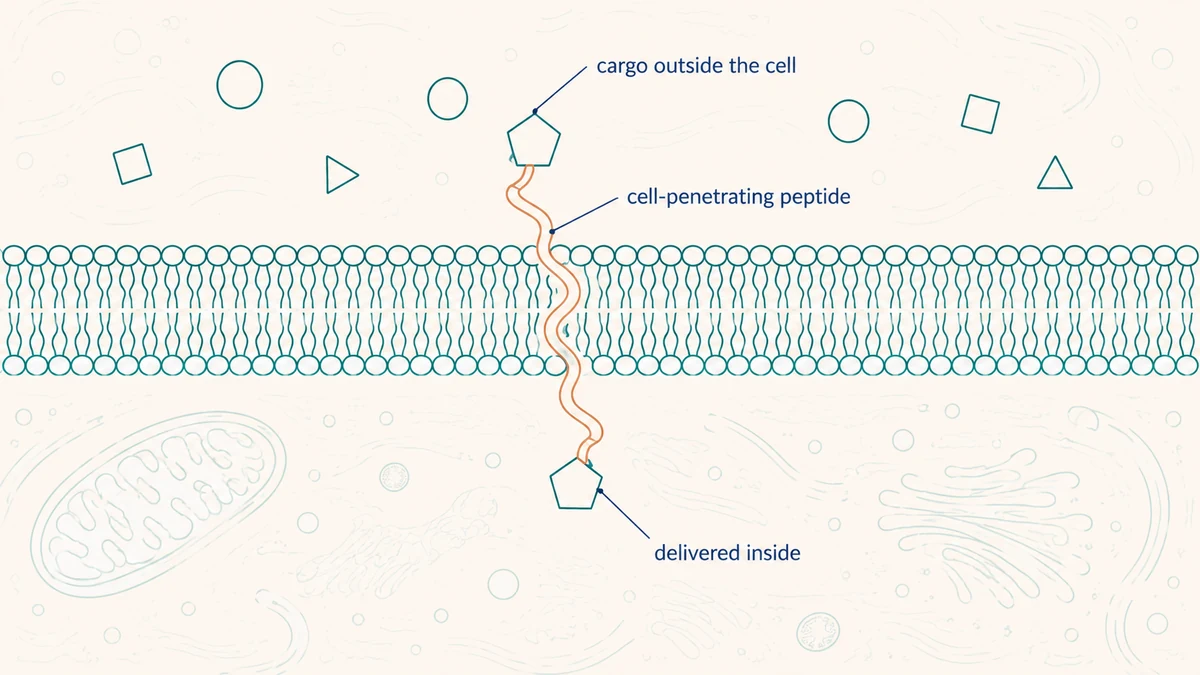
Baltic Biotech Renaissance 2026
The Baltic region has identifiable research strengths in genome editing, biobanking and biomedical technology. Institutional announcements support that description; they do not establish that the region outranks all other biotechnology hubs. This article summarizes selected public developments as checked on 5 October 2026.
Lithuania: Genome Editing and Institutional Links
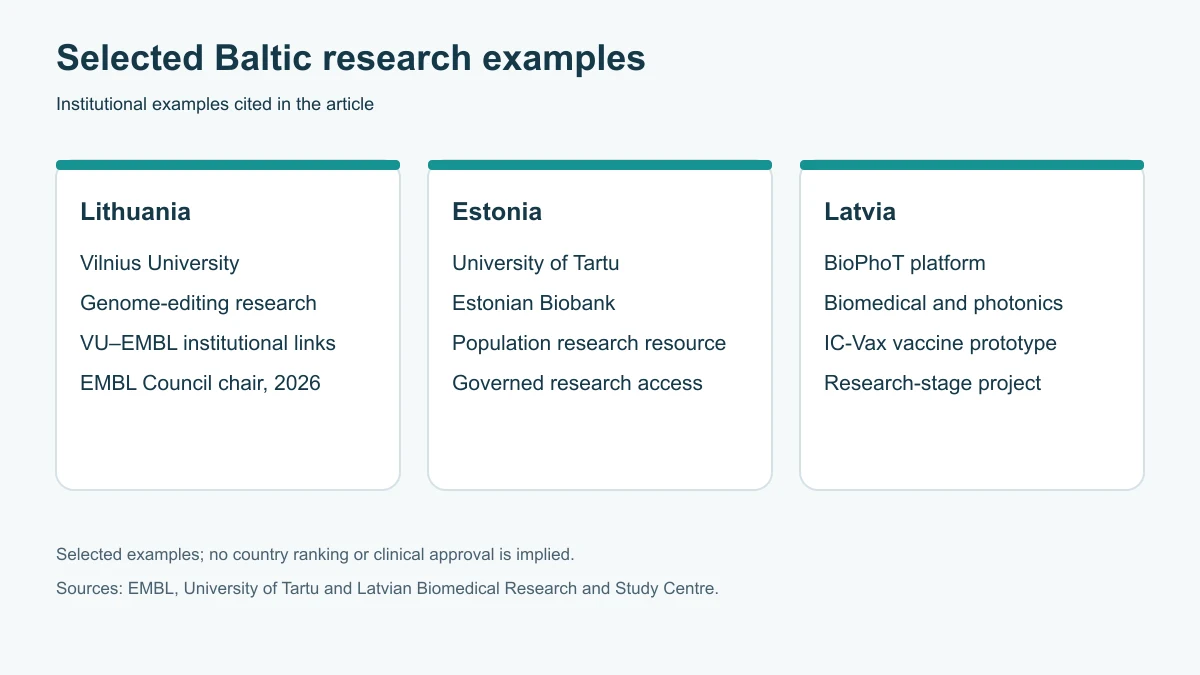
Vilnius University’s genome-editing research is internationally visible. EMBL reported on 18 February 2026 that Prof. Virginijus Šikšnys had assumed the EMBL Council chair in January 2026. Lithuania has been an EMBL member since 2019, and a 2020 VU–EMBL partnership concerned genome-editing technologies. These are concrete institutional milestones rather than a comparative ranking of national biotechnology industries.
Estonia: Population Biobanking
The Estonian Biobank at the University of Tartu is an established population research resource with more than 210,000 participants in the institution’s current description. Research access and use of linked data are governed by the biobank’s procedures. The resource supports genomics research; that fact alone does not demonstrate leadership in single-cell analysis or a particular AI benchmark.
Latvia: Biomedical and Photonics Research
Latvia’s BioPhoT platform includes biomedical and photonics projects. The Latvian Biomedical Research and Study Centre identifies an IC-Vax anti-cancer vaccine prototype targeting immune checkpoints in its project inventory. A prototype research project is different from an approved cancer vaccine or demonstrated clinical benefit.
A New Era for Research
The European Commission proposed the European Biotech Act in December 2025. As checked on 5 October 2026, the proposal must not be described as an enacted 2026 law already streamlining approvals. Researchers should distinguish the proposed policy aims from the rules currently governing a project.
Institutional Research and Supplier Context
The institutions described above are independent research organizations. This article does not establish that they use Baltic BioLabs products, sponsor the company or endorse its catalogue. For any supplied reagent, assess the lot documentation against the laboratory’s actual protocol.
Conclusion
Lithuanian genome editing, Estonian biobanking and Latvian biomedical/photonics projects provide specific examples of Baltic research activity. Their institutional sources are useful starting points for further reading. Supplier claims and product quality require their own evidence; proximity to a research ecosystem is not proof of participation in its studies.
Scientific References
- EMBL, 18 February 2026. Virginijus Šikšnys named Council chair - Primary source
- University of Tartu. Estonian Biobank - Primary source
- Latvian Biomedical Research and Study Centre. IC-Vax prototype project - Primary source
- European Commission. European Biotech Act proposal - Primary source